How to Maintain Your Adjustable Weight Bench for Longevity
Learn how to maintain adjustable weight bench with simple steps. Regular cleaning and inspection extend equipment life and ensure safety.
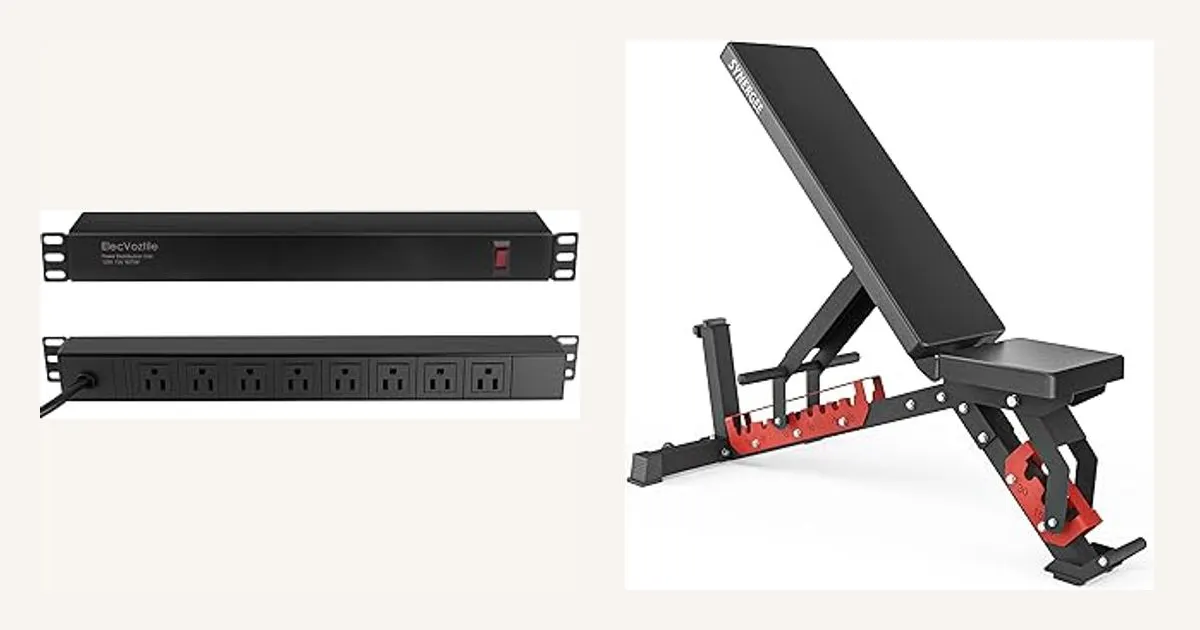
Intro
This guide explains how to maintain adjustable weight bench equipment, ensuring its longevity and safe operation. Proper maintenance prevents wear, extends the bench’s lifespan by years, and keeps it ready for use.
Quick Overview
| Aspect | Detail |
|---|---|
| Time Required | 15-20 minutes |
| Difficulty | Easy |
| Tools Needed | Microfiber cloths, mild cleaner, silicone lubricant, wrench set |
| Cost | Free / ~$10 (for supplies) |
What You’ll Need
- Two microfiber cloths
- Mild all-purpose cleaner (non-abrasive)
- Silicone-based lubricant spray
- Wrench set (metric or standard, depending on bench hardware)
- Vacuum cleaner with brush attachment
Step 1: Clean the Upholstery
Clean the bench upholstery weekly to remove sweat and grime. Spray a small amount of mild all-purpose cleaner onto one microfiber cloth. Wipe down all upholstered surfaces thoroughly. Use a second, dry microfiber cloth to dry the surfaces completely, preventing moisture buildup.
Step 2: Inspect and Tighten Hardware
Inspect all bolts, nuts, and screws monthly. Use the appropriate wrench from your set to tighten any loose fasteners. Loose hardware can compromise the bench’s stability and safety during exercises. Refer to your bench’s manual for specific torque recommendations if available.
Step 3: Lubricate Moving Parts
Lubricate the adjustment mechanisms every two to three months. Apply a silicone-based lubricant spray to pins, hinges, and sliding components. This reduces friction, prevents rust, and ensures smooth angle adjustments. Wipe away any excess lubricant with a clean cloth.
Step 4: Clean Frame and Base
Wipe down the metal frame and base bi-weekly. Use a damp microfiber cloth to remove dust and dirt. For stubborn marks, apply a small amount of mild cleaner to the cloth. Ensure the frame dries completely to prevent rust.
Step 5: Check for Wear and Tear
Examine the bench for signs of wear annually. Look for cracks in the upholstery, frayed stitching, or bent metal components. Replace damaged parts immediately to maintain structural integrity and user safety. Small tears in upholstery can be patched with repair kits.
Tips and Best Practices
- Always wipe down the bench after each use to remove sweat.
- Store the adjustable weight bench in a dry, temperature-controlled environment.
- Perform a quick visual inspection before every workout session.
- Consult the manufacturer’s manual for specific maintenance guidelines.
- Consider a protective cover if the bench is stored in a dusty area.
Common Mistakes
- Using harsh chemical cleaners, which can damage upholstery and paint.
- Ignoring loose hardware, leading to instability and potential injury.
- Neglecting lubrication, causing stiff adjustments and premature wear.
- Storing the bench in humid conditions, promoting rust and mildew growth.
FAQ
Q: How often should I clean my adjustable weight bench? A: You should wipe down the upholstery after every use and perform a more thorough cleaning of the entire bench weekly.
Q: What kind of lubricant is best for the moving parts? A: A silicone-based lubricant spray is ideal for hinges, pins, and sliding mechanisms, as it prevents rust and ensures smooth operation without attracting dust.
Q: What if I find a tear in the upholstery? A: Small tears can be repaired with an upholstery repair kit; larger damage may require professional repair or replacement of the affected pad to prevent further deterioration.
Q: Can I use water to clean the frame? A: Yes, you can use a damp cloth with water to clean the frame, but ensure it is thoroughly dried immediately afterward to prevent rust.
Q: How do I know if the bolts are tight enough? A: Tighten bolts until they are snug, but avoid over-tightening, which can strip threads. Refer to your bench’s user manual for specific torque specifications if available.
- weight
- weight-bench