How to Use a Yoga Mat for Effective Practice
Learn how to use a yoga mat correctly for stability, comfort, and hygiene during your practice. This guide covers setup, positioning, and care.
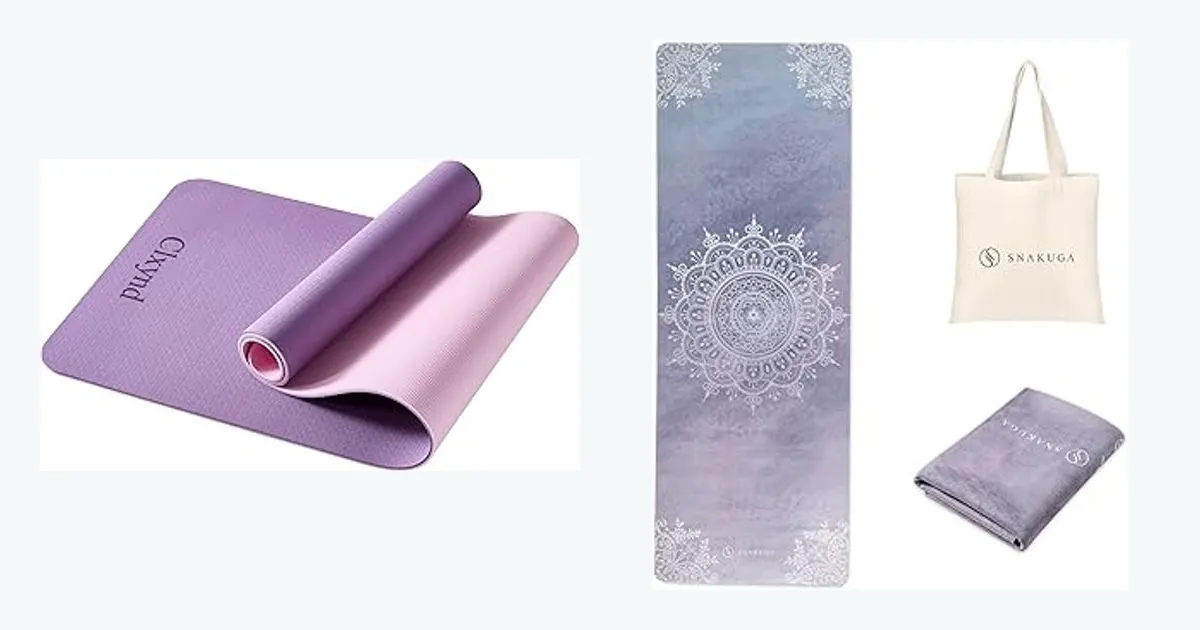
How to Use a Yoga Mat for Effective Practice
This guide explains how to use a yoga mat to enhance stability and comfort during your yoga practice. Understanding proper mat usage improves your alignment and prevents slipping.
Quick Overview
| Aspect | Detail |
|---|---|
| Time Required | 1 minute |
| Difficulty | Easy |
| Tools Needed | Yoga Mat |
| Cost | Free (if you own a mat) |
What You’ll Need
- A yoga mat (Find the best yoga mats here)
- A clean, flat surface
Step 1: Unroll the Mat
Place the rolled mat at one end of your designated practice area. Unroll it slowly and evenly, ensuring it lies flat on the floor. This prevents tripping hazards during movement.
Step 2: Position Yourself
Stand at the front of the mat, facing the length of it. Your feet should be hip-width apart, centered on the mat for optimal balance. This setup allows space for various poses.
Step 3: Utilize Mat Length
Perform standing poses along the mat’s length, using its full dimension for stability. For example, in Warrior II, your front foot points forward, and your back foot is perpendicular, utilizing the mat’s width. This maximizes grip and support.
Step 4: Use Mat Width for Spacing
For seated or supine poses, position your body to utilize the mat’s width. Your head should be near one end, feet near the other, providing full body support. This ensures comfort and proper alignment for poses like Savasana.
Step 5: Clean the Mat
After each use, wipe down your yoga mat with a damp cloth or a specialized mat cleaner. This removes sweat and dirt, maintaining hygiene and extending the mat’s lifespan. A clean mat provides better grip for future sessions.
Step 6: Store the Mat Properly
Roll the mat tightly from one end to the other once it is dry. Secure it with a strap or place it in a yoga mat bag. Proper storage prevents creases and keeps the mat ready for its next use.
Tips and Best Practices
- Always practice on a clean, dry mat to prevent slipping.
- Place the mat on a level surface; uneven ground compromises balance.
- Consider a thicker mat (6mm+) for increased joint comfort during floor poses.
- Use a yoga towel over your mat if you sweat excessively for added grip.
- Replace your mat when it shows significant wear, cracks, or loss of grip.
Common Mistakes
- Not cleaning the mat: Leads to bacterial growth and reduced grip.
- Practicing on an uneven surface: Increases risk of injury and instability.
- Rolling the mat loosely: Causes creases and makes it harder to store.
- Using a mat that is too thin: Offers insufficient cushioning for joints.
FAQ
Q: How often should I clean my yoga mat? A: Clean your yoga mat after every use, especially if you sweat during practice. This maintains hygiene and prevents odor buildup.
Q: Can I use a regular towel instead of a yoga mat? A: A regular towel lacks the necessary grip and cushioning of a yoga mat, making it unsafe for most yoga practices. Yoga mats provide essential stability.
Q: What is the ideal thickness for a yoga mat? A: A 4mm to 6mm thick yoga mat offers a good balance of cushioning and stability for most practitioners. Thicker mats (8mm+) provide more comfort for sensitive joints.
Q: How do I prevent my yoga mat from slipping on the floor? A: Ensure your mat is clean and dry, and place it on a non-slippery surface like hardwood or concrete. Some mats have textured undersides for better floor grip.
- yoga-mat
- yoga