Is a Pull Up Bar Worth It? A CPT's Honest Assessment
Is a pull up bar worth it for your home gym? A certified personal trainer explains who benefits most and who should skip it for other equipment.
The Short Answer
A pull up bar is worth it for individuals seeking to build upper body strength and back muscle definition efficiently at home. Skip it if you have limited ceiling height, significant joint pain, or prioritize lower body training exclusively.
What You Get
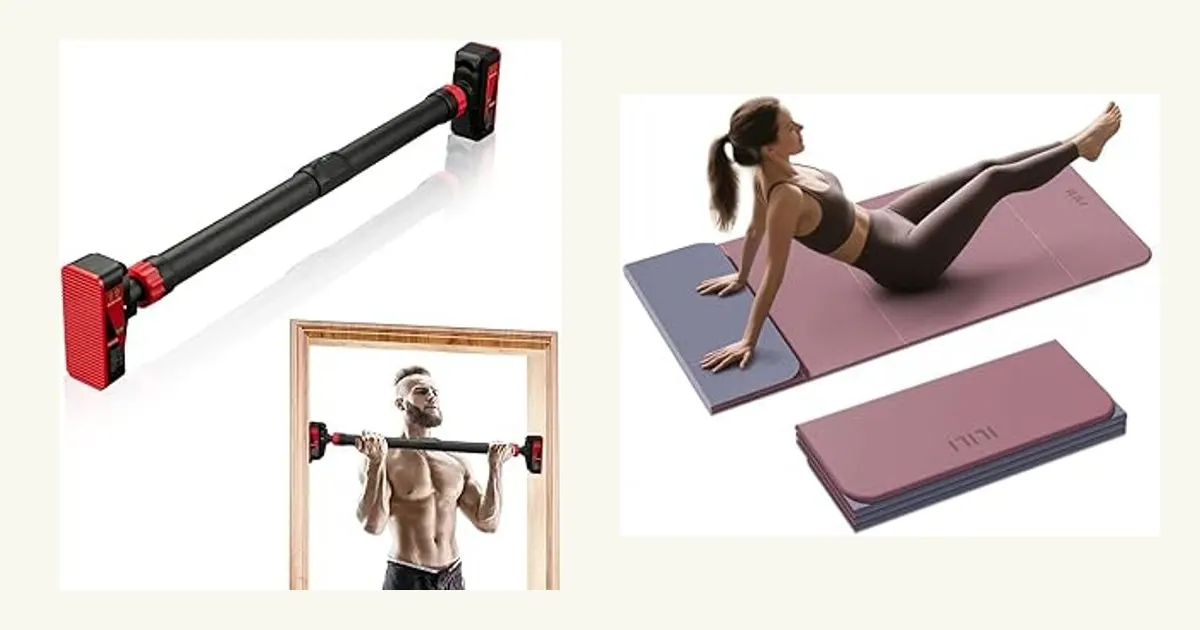
A pull up bar provides a versatile tool for bodyweight exercises, primarily targeting the lats, biceps, and forearms. Most models support users up to 300 pounds, offering a stable anchor for various pull-up bar exercises. You can perform standard pull-ups, chin-ups, and even hanging leg raises to engage your core muscles. Many designs, like doorway or wall-mounted options, require minimal floor space, making them ideal for small home gyms.
Who It’s Worth It For
- Beginners Building Foundational Strength: New exercisers can use resistance bands for assisted pull-ups, progressing to unassisted reps over time.
- Intermediate Lifters Targeting Back Development: Individuals with some strength experience can perform multiple sets of 5-10 pull-ups to increase muscle mass and improve grip strength.
- Home Gym Owners with Limited Space: Doorway or wall-mounted bars offer significant training benefits without occupying a large footprint.
- Individuals Focused on Calisthenics: Athletes practicing bodyweight movements will find a pull up bar indispensable for progression and skill acquisition.
Who Should Skip It
- Individuals with Significant Joint Pain: Those with chronic shoulder or elbow issues may find pull-ups exacerbate discomfort.
- People with Very Low Ceiling Height: Wall-mounted or power rack pull-up bars require adequate overhead clearance for full range of motion.
- Anyone Prioritizing Only Lower Body Training: If your sole focus is squats and deadlifts, a pull up bar offers less direct benefit.
Alternatives to Consider
- Resistance Bands ($15-50): Offer versatile resistance for various exercises, including assisted pull-ups, but lack the stability of a fixed bar.
- Dumbbells ($50-300+): Provide adjustable resistance for rows and bicep curls, but cannot replicate the specific movement pattern of a pull-up.
- Gym Membership ($30-100/month): Offers access to a full range of equipment, including dedicated pull-up stations and assisted pull-up machines.
- Rowing Machine ($200-1000+): Provides a full-body cardio and strength workout, effectively targeting the back muscles through a different movement.
The Bottom Line
A pull up bar is a highly cost-effective piece of equipment for building upper body and core strength in a home setting. Its versatility and minimal space requirements make it a valuable addition for many fitness enthusiasts. Consider your fitness goals and available space before making a purchase.
FAQ
Q: Does a pull up bar damage doorframes? Doorway pull up bars can cause minor scuffing or pressure marks on doorframes if not installed or used correctly; setting up a doorway pull up bar properly minimizes this risk.
Q: How much space does a pull up bar need? A doorway pull up bar requires only the width of your doorframe, while a wall-mounted bar needs a clear wall section and enough overhead clearance for your head and arms during full extension.
Q: Can I build significant muscle with just a pull up bar? Yes, consistent training with a pull up bar can build significant back, bicep, and forearm muscle, especially when incorporating variations and progressive overload techniques.
- pull-up-bar
- pull