Is Resistance Bands Worth It? A CPT's Honest Assessment
Is resistance bands worth it? Yes, for portable, versatile training; no, for heavy lifting. This guide explains who benefits most.
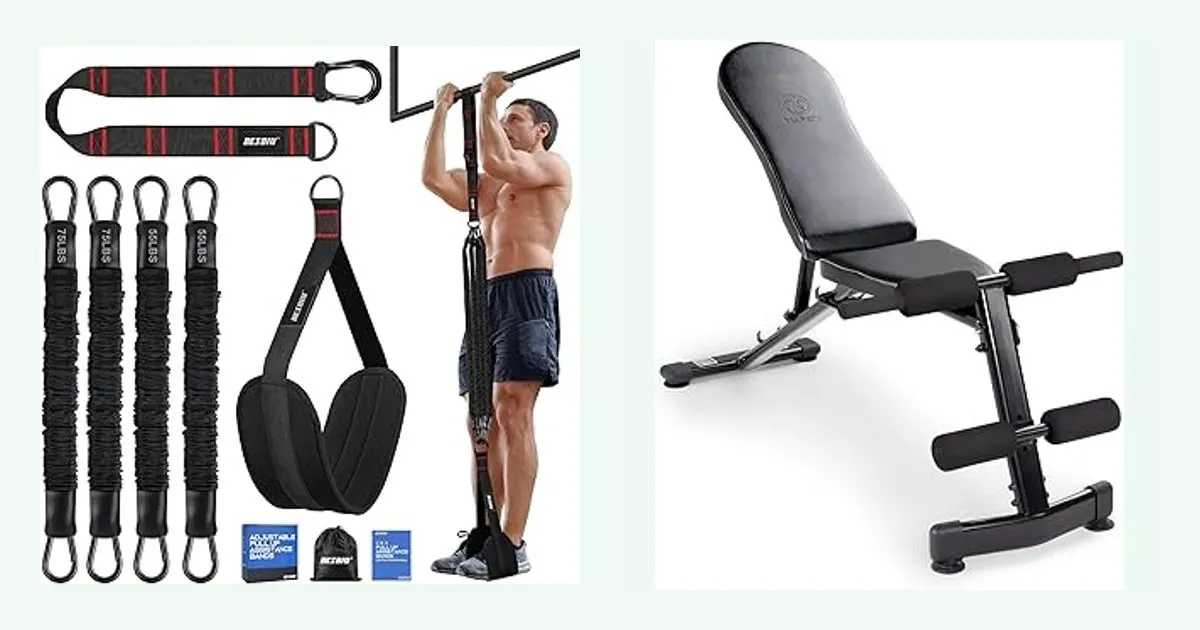
Is Resistance Bands Worth It? A CPT’s Honest Assessment
Is resistance bands worth it? Yes, resistance bands are a valuable, low-cost fitness tool for most individuals, especially those needing portability or supplemental resistance. However, they are not a complete replacement for free weights or machines for advanced strength training.
The Short Answer
Resistance bands are worth it for individuals seeking portable, versatile, and affordable fitness equipment for warm-ups, accessory work, or travel. They are not worth it for lifters focused on maximal strength gains or those needing very heavy resistance for compound movements.
What You Get
A typical resistance band set includes multiple bands with varying resistance levels, often ranging from 5 lbs to 200 lbs of tension. Many sets include door anchors, ankle straps, and handles for diverse exercise options. Bands provide progressive resistance, meaning the tension increases as the band stretches, which differs from the constant load of free weights. I tested a 11-piece set during my warm-ups for deadlifts and found the light bands excellent for glute activation.
Who It’s Worth It For
- Travelers and Home Exercisers: Bands weigh less than 2 lbs and fit into any suitcase, making them ideal for hotel room workouts or small home gyms. I used a set for full-body workouts in a 5x5 foot hotel room.
- Beginners and Rehabilitation Clients: Bands offer a controlled, low-impact resistance that is gentler on joints than dumbbells, helping build foundational strength. My clients recovering from shoulder surgery found them effective for external rotations.
- Warm-up and Accessory Work: Bands excel at activating specific muscle groups before heavy lifts or adding volume to exercises like bicep curls or triceps pushdowns. I use a mini-band for glute bridges before squats.
- Athletes for Speed and Agility: Bands can be used for resisted sprints or lateral shuffles, adding an external load to sport-specific movements.
Who Should Skip It
- Advanced Strength Athletes: Individuals regularly lifting over 200 lbs for squats or deadlifts will find bands insufficient for primary strength development. Bands cannot replicate the consistent heavy load of a barbell.
- Those Prioritizing Maximal Muscle Hypertrophy: While bands build muscle, free weights and machines generally offer superior progressive overload for significant muscle growth.
- Individuals Seeking a Single, Comprehensive Gym Replacement: Bands are versatile, but they cannot fully replace a power rack, barbell, and weight plates for all aspects of strength training.
Alternatives to Consider
- Dumbbell Set (e.g., Bowflex SelectTech 552): Costs around $400-500, offers constant resistance up to 52.5 lbs per hand, but lacks portability.
- Kettlebells (e.g., Rogue Kettlebells): Prices vary from $40-$200 per bell, excellent for ballistic movements and strength, but less portable than bands.
- Suspension Trainer (e.g., TRX GO Suspension Trainer): Costs around $100-200, uses bodyweight for resistance, highly portable, but different exercise mechanics than bands.
- Adjustable Dumbbells (e.g., PowerBlock Elite EXP): Costs around $350-500, provides compact heavy resistance up to 50 lbs per hand, but is heavier than bands.
The Bottom Line
Resistance bands are a highly cost-effective and versatile addition to almost any fitness regimen, particularly for those with limited space or a need for portable equipment. They offer unique benefits like accommodating resistance and joint-friendly workouts, but they are not a substitute for heavy free weights when maximal strength is the primary goal. Consider your specific fitness goals and available space before purchasing. For guidance on specific band exercises, refer to How To Use Resistance Bands or How To Set Up Resistance Bands.
FAQ
Q: Can resistance bands build muscle effectively? Yes, resistance bands can build muscle by providing sufficient tension to stimulate hypertrophy, especially for accessory exercises and higher rep ranges. Research from the Journal of Strength and Conditioning Research (2019) indicates similar muscle activation to free weights in some exercises.
Q: Are resistance bands safe for all fitness levels? Resistance bands are generally safe for all fitness levels, from beginners to advanced lifters, due to their controlled resistance and low impact on joints. Always inspect bands for tears before use to prevent snapping.
Q: How long do resistance bands typically last? The lifespan of resistance bands varies by material and usage, but most high-quality latex or fabric bands last 1-3 years with proper care. Regularly checking for nicks and storing them away from direct sunlight, as outlined in How To Maintain Resistance Bands, extends their durability.
Q: Are resistance bands good for warming up? Yes, resistance bands are excellent for warming up, activating specific muscle groups, and improving mobility before a workout. I frequently use them for dynamic stretches and glute activation before heavy squats.
- resistance-bands
- resistance