What Size Squat Rack Do I Need? A Concise Buying Guide
To determine what size squat rack do I need, measure your ceiling height, available floor space, and consider your height for proper bar placement and safety. A 7-foot rack is standard for most users.
Intro
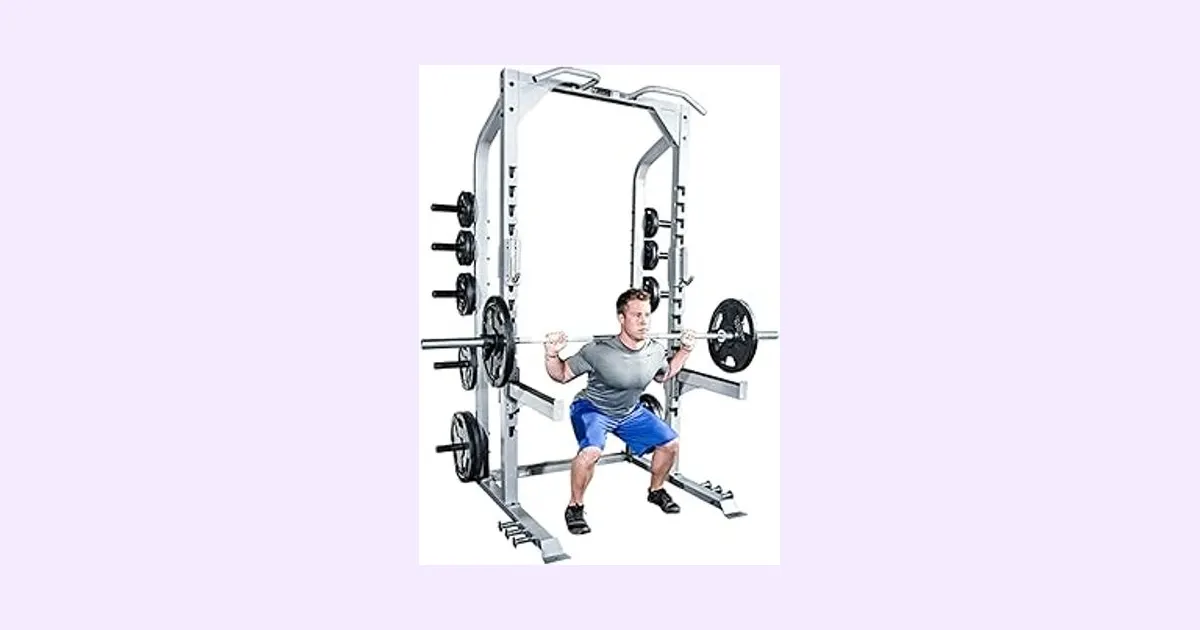
To determine what size squat rack do I need, measure your available space, including ceiling height and floor dimensions. Most standard squat racks are around 7 feet tall, fitting in rooms with 8-foot ceilings. Your personal height also influences the appropriate rack height for safe bar placement during squats and presses.
Ceiling Height
Measure your ceiling height to ensure the squat rack fits without obstruction. Most standard squat racks require at least 84 inches (7 feet) of vertical clearance. Add an extra 6-12 inches for overhead movements like overhead presses or pull-ups if the rack includes a pull-up bar. A room with an 8-foot ceiling (96 inches) provides sufficient space for most common racks and exercises.
Floor Space Dimensions
Determine your available floor space to accommodate the rack’s footprint and allow for movement. A typical squat rack occupies a footprint of about 45-50 inches wide by 45-50 inches deep. You need an additional 2-3 feet of clear space around the rack for loading plates, performing exercises, and moving safely. Ensure enough room for a standard 7-foot Olympic barbell, which extends beyond the rack’s width.
User Height for Bar Placement
Your personal height dictates appropriate J-hook and safety spotter arm placement for exercises. For squats, the J-hooks should be set just below shoulder height, allowing for an easy unrack and re-rack. Safety spotter arms need to be positioned slightly below your lowest squat depth to catch the bar if you fail a lift. Taller individuals may require a rack with more vertical hole spacing or a taller overall frame to accommodate their full range of motion.
Weight Capacity
Consider the maximum weight you plan to lift when selecting a squat rack. Most home gym squat racks offer a weight capacity between 500-800 pounds. Commercial-grade racks often exceed 1,000 pounds. Check the rack’s specifications for both the J-hooks and the safety spotter arms, as these capacities can differ.
Size/Type Recommendation Table
| Need | Recommended Size/Type | Example Product |
|---|---|---|
| Limited Space, Basic Squats | Half Rack (Compact footprint) | Valor Fitness BD-62 Check Price on Amazon → |
| Standard Home Gym, Full Exercises | Standard Squat Rack (7-foot height) | REP Fitness SR-4000 (ASIN not available on Amazon) |
| Low Ceilings (Under 7 feet) | Short Squat Rack (6-foot height) | Rogue SML-1 (ASIN not available on Amazon) |
| Overhead Pressing, Pull-ups | Power Rack (Full cage, 7-8 foot height) | Titan Fitness T-3 Power Rack Check Price on Amazon → |
| Heavy Lifting, Maximum Safety | Heavy-Duty Power Rack (Thicker steel, high capacity) | Rogue R-3 Power Rack (ASIN not available on Amazon) |
Top 3 Picks
- Fitness Reality 810XLT Power Rack — Best for budget-conscious home gyms. This rack offers a 800-pound capacity and pull-up bar. Check Price on Amazon →
- Titan Fitness T-3 Power Rack — Best for versatile home training with a 700-pound capacity. It features 2x3” 11-gauge steel uprights. Check Price on Amazon →
- REP Fitness PR-1100 Power Rack — Best for beginners seeking a solid, entry-level rack. It provides 1,000-pound capacity and 2x2” 14-gauge steel.
Common Mistakes to Avoid
- Ignoring ceiling height, leading to a rack that doesn’t fit or limits overhead exercises.
- Underestimating required floor space, making plate loading and movement awkward.
- Not checking weight capacity, risking equipment failure with heavy loads.
- Forgetting to account for barbell length, which extends beyond the rack’s width.
- Choosing a rack without adequate safety spotter arms, compromising safety during failed lifts.
Who Should Skip This
- Individuals with extremely limited space who cannot accommodate a 4x4 foot footprint.
- Those who only use dumbbells or resistance bands for their workouts.
- People who prefer commercial gym settings and do not want a home gym setup.
- Anyone unwilling to perform routine maintenance on their equipment.
What to Expect After Purchase
Expect to spend 1-3 hours on assembly, typically requiring basic tools like wrenches. The rack may have a slight “new equipment” smell that dissipates within a few days. Regular maintenance, such as checking bolts and cleaning, ensures longevity and safe operation. How To Maintain Squat Rack provides further guidance.
FAQ
Q: Does a squat rack need to be bolted down? A: Many squat racks are stable enough for most users without bolting, but bolting provides maximum stability and safety, especially for heavy lifts or dynamic movements like kipping pull-ups.
Q: Can I do pull-ups on a squat rack? A: Many squat racks include a pull-up bar, allowing for pull-ups and chin-ups. Ensure the rack’s stability and weight capacity support your body weight plus any added resistance.
Q: What is the difference between a squat rack and a power rack? A: A squat rack (or half rack) has an open front design with uprights and safety arms, while a power rack (or full cage) encloses the user on all four sides with safety pins or straps, offering more comprehensive safety for various lifts. Learn more about How To Use Squat Rack and How To Use Power Rack.
- power-rack
- power